
10 Best AI Tools for Dating & Relationships in 2026 (Free Options Included)
I used to think asking an AI for dating advice was a little sad. Then I actually tried it during a rough patch with someone I was seeing, got genuinely useful feedback on a message I almost sent at 1 a.m., and changed my mind completely. Turns out a non-judgmental, always-available second opinion is exactly what dating and relationships have been missing.
2026 has been the year AI fully showed up in this space — not just as a gimmick bolted onto Tinder, but as dedicated matchmaking apps, texting wingmen, and relationship coaches you can talk to at midnight when your therapist’s office has been closed for six hours. I tried a stack of these tools across both categories: the ones that help you meet someone, and the ones that help you keep what you’ve already got. Here’s what’s actually worth your time.
What Are AI Dating and Relationship Tools?
Broadly, they fall into three buckets. AI dating apps use machine learning for matchmaking — going beyond swipe mechanics to factor in compatibility, personality, or even how people behave on previous dates. AI dating assistants (sometimes called “wingman” apps) help you write better profiles, craft openers, and reply to matches without staring at your phone for twenty minutes. And AI relationship advisors are chatbots built specifically to talk through conflict, communication patterns, and the stuff that comes up once you’re actually in a relationship.
Why You Should Actually Be Using One
Dating coaches run $100 to $200 an hour. Couples therapy averages $150 to $300 a session, and most people need a dozen or more sessions to see real change — that adds up to thousands of dollars most insurance won’t touch. AI doesn’t replace a trained therapist, and I want to be upfront about that. But for the in-between moments — figuring out how to phrase a hard text, understanding why an argument keeps repeating, getting unstuck on a dating profile that isn’t landing — it’s a genuinely useful, judgment-free first stop.
How I Picked These Tools
I tested each one for actual usefulness, not just hype. That meant checking whether the free tier gives you something real to work with, whether the advice felt generic or specific to my situation, and whether the tool was built for finding someone new versus strengthening a relationship you’re already in. I skipped anything that’s primarily an AI companion or virtual girlfriend/boyfriend app, since that’s a different category entirely from tools meant to help your actual dating life and real relationships.
Quick Comparison Table
Tool | Best For | Category | Free Tier |
ChatGPT | All-purpose relationship advice | Advice chatbot | Yes, generous |
Iris Dating | Visual compatibility matching | Matchmaking app | Yes |
Keeper | Serious, long-term relationships | Matchmaking app | Yes, limited |
Rizz AI (DatingAI.pro) | Free texting and opener help | Wingman/assistant | Yes, no signup |
Winggg | Cross-app conversation help | Wingman/assistant | Limited free actions |
Wingman.live | In-depth dating coaching | Wingman/assistant | Limited free trial |
Flamme AI | Dedicated relationship Q&A | Advice chatbot | Yes |
Pi (Inflection AI) | Emotionally supportive venting | Advice chatbot | Yes |
Hinge AI features | Built-in profile and match feedback | Matchmaking app | Yes, built into app |
Replika | Practicing emotional conversation | Companion/advice | Freemium |
The 10 Best AI Tools for Dating & Relationships – Honest Reviews
1. ChatGPT – Best Free All-Purpose Relationship Advice
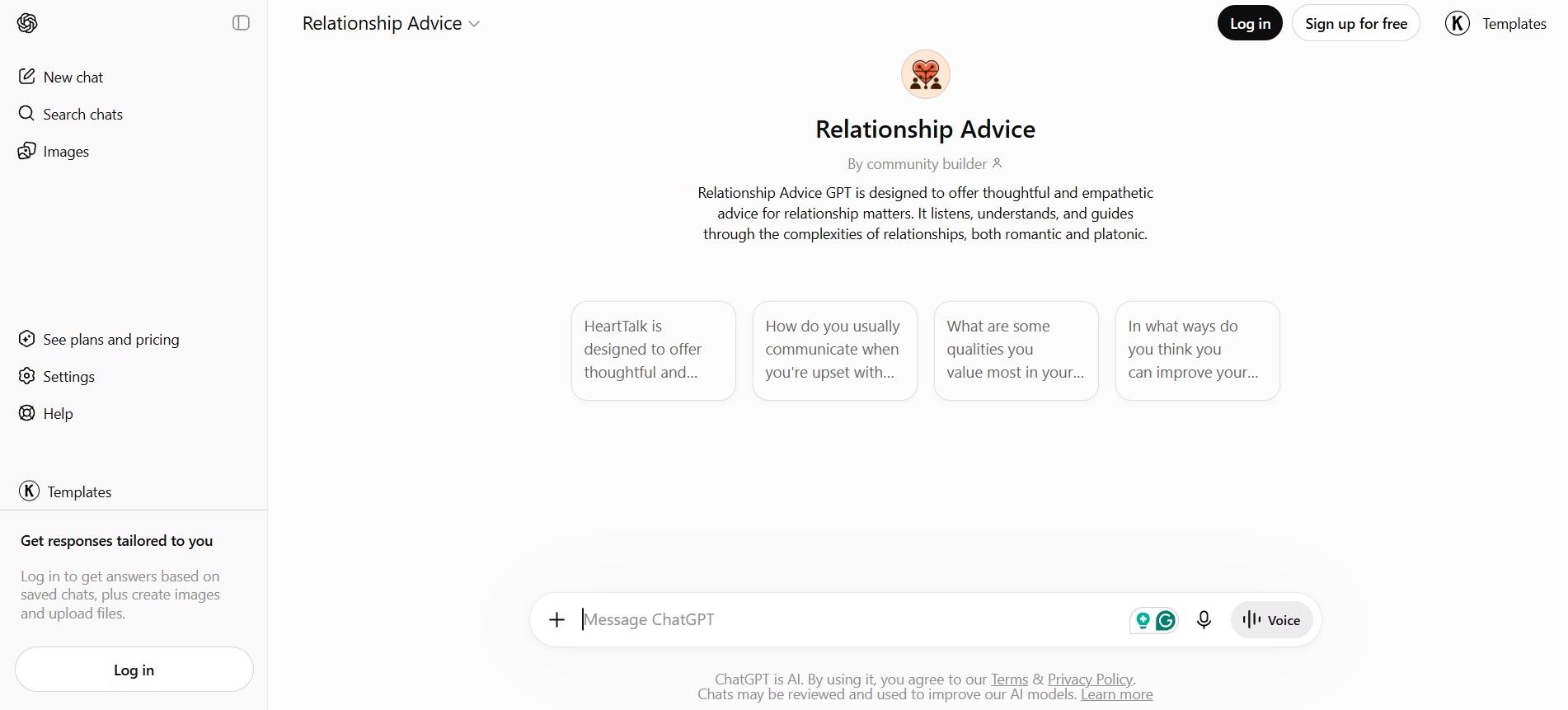
Best for: General advice, decoding mixed signals, drafting hard conversations
This is the one I reach for most, and I’m not alone — a huge chunk of people quietly using AI for relationship advice in 2026 are just opening ChatGPT and typing out what’s bothering them. It’s free, available at 2 a.m., and doesn’t charge by the hour. I’ve used it to rehearse how to bring up a boundary issue and to get a second opinion on whether a text I received was actually as dismissive as it felt.
What I actually use it for: Pasting a confusing text exchange and asking “am I reading too much into this?” before I respond.
The honest downside: It’s not a licensed therapist, and it doesn’t know what a real bid for connection looks like in the room — a sigh, a glance, a hand reaching across a table. It can describe relationship research accurately, but it can’t replace being present with an actual human.
Free tier bottom line: The best starting point for almost any relationship question, completely free. Just don’t treat it as a substitute for real therapy when things get serious.
2. Iris Dating – Best for Visual Compatibility Matching
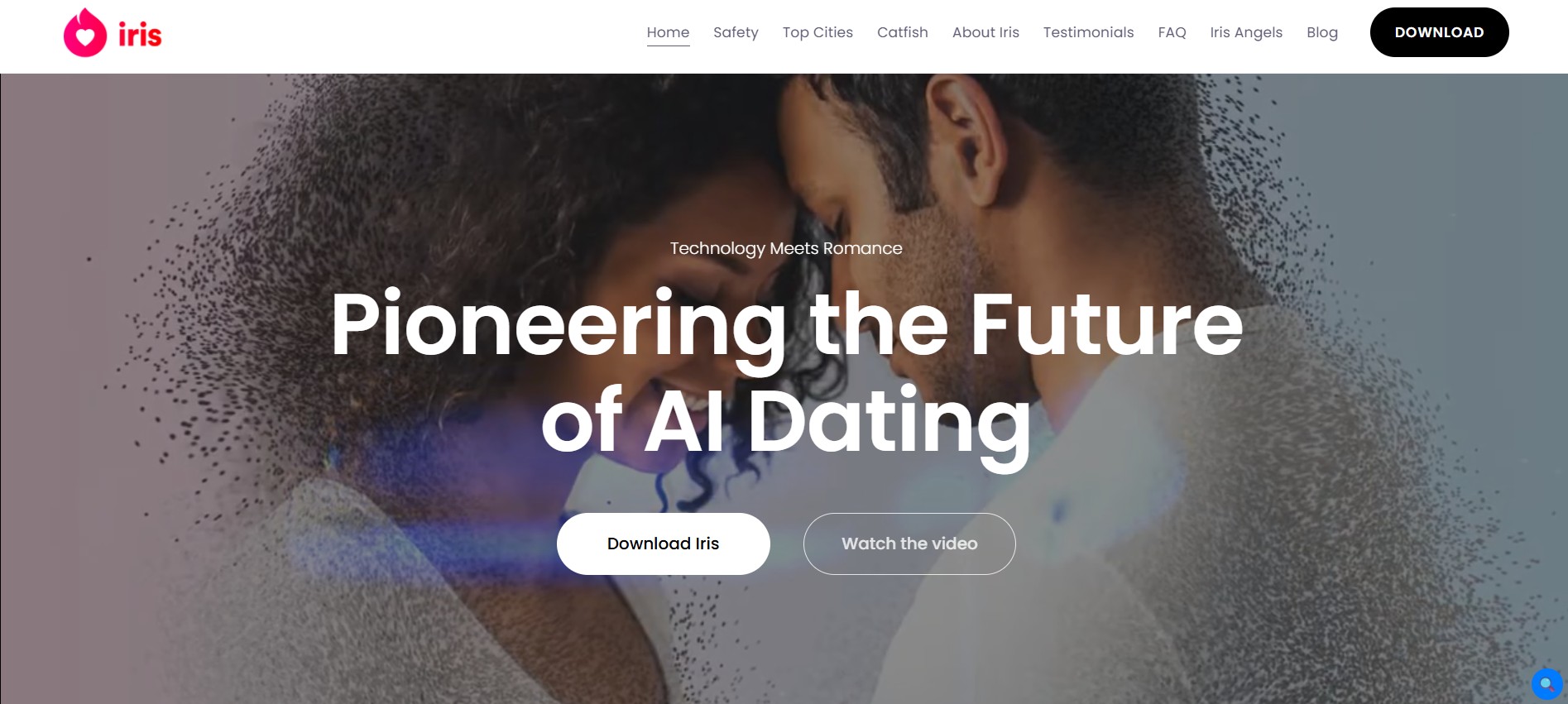
Best for: People who want matching that goes beyond a stack of static photos
Iris takes a different approach to attraction than the swipe-and-hope model — it focuses on visual compatibility signals rather than treating every profile photo the same way. I liked that it felt less like browsing a catalog and more like the app was actually trying to learn what draws me to someone.
What I actually use it for: A change of pace from traditional swiping apps when I want matches that feel more deliberately curated.
The honest downside: It’s a newer, more niche app, so the user base isn’t as large as Tinder or Hinge in every city yet.
Free tier bottom line: Worth trying if you’re tired of the same swipe fatigue and want an app built around a genuinely different matching philosophy.
3. Keeper – Best for Serious, Long-Term Relationships
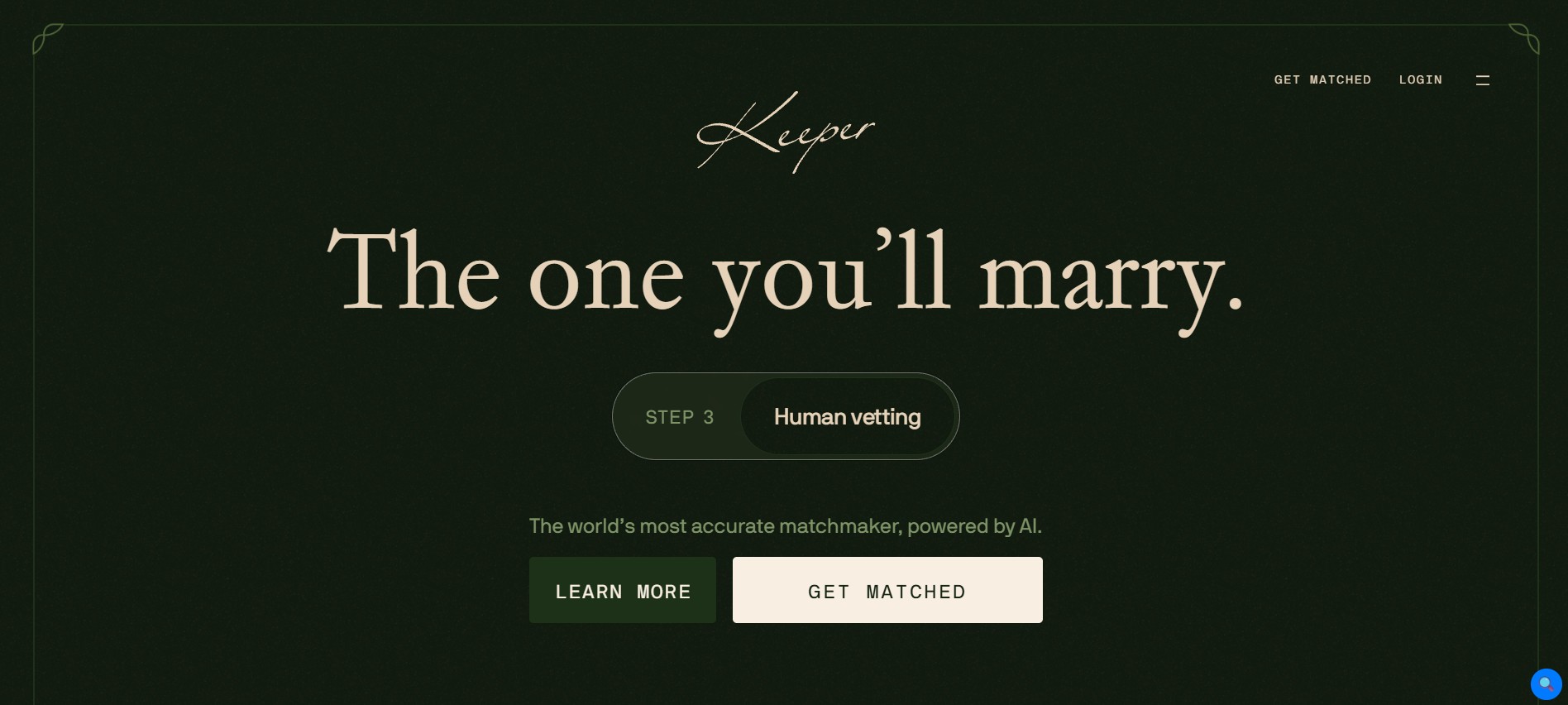
Best for: People who are done casually swiping and want commitment-focused matches
Keeper is built specifically for people looking for something serious, using AI to surface compatibility signals tied to long-term relationship goals rather than just appearance or proximity.
What I actually use it for: Filtering out the noise when I’m not interested in casual matches and want the app to actually take “serious relationship” as a real input, not a checkbox nobody reads.
The honest downside: Because it’s optimized for serious intent, it’s a poor fit if you’re just looking to casually date around — the whole app is working against that goal.
Free tier bottom line: A strong, free-to-start option if your dating goal is genuinely “relationship,” not “see what’s out there.”
4. Rizz AI (DatingAI.pro) – Best Free Texting Wingman
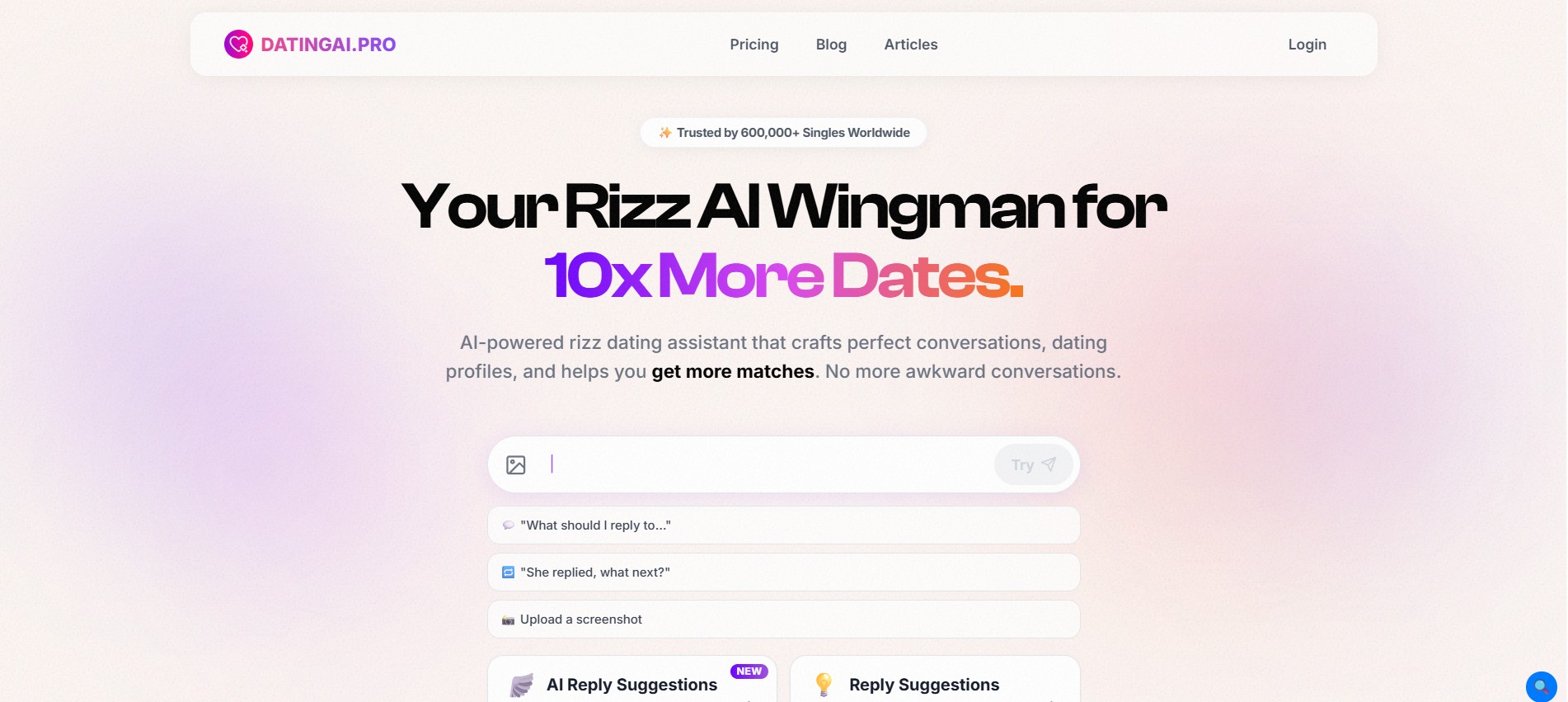
Best for: Writer’s block on openers and replies, completely free
This one surprised me. You paste a screenshot from Tinder, Bumble, or Hinge, and it reads the context and writes three reply options in different tones — funny, smooth, or bold — with no download and no signup required for the basic version. It also handles full profile and bio rewrites if your profile isn’t landing.
What I actually use it for: Breaking through the blank-page moment when a conversation has gone quiet and I don’t want to send another “haha yeah” into the void.
The honest downside: Credits run out fast if you use it heavily, and the suggestions can sound a little too polished — I always edit before sending so it still sounds like me.
Free tier bottom line: The most genuinely free option on this list for in-the-moment texting help. Don’t copy-paste blindly; use it as a starting point.
5. Winggg – Best for Cross-App Conversation Help
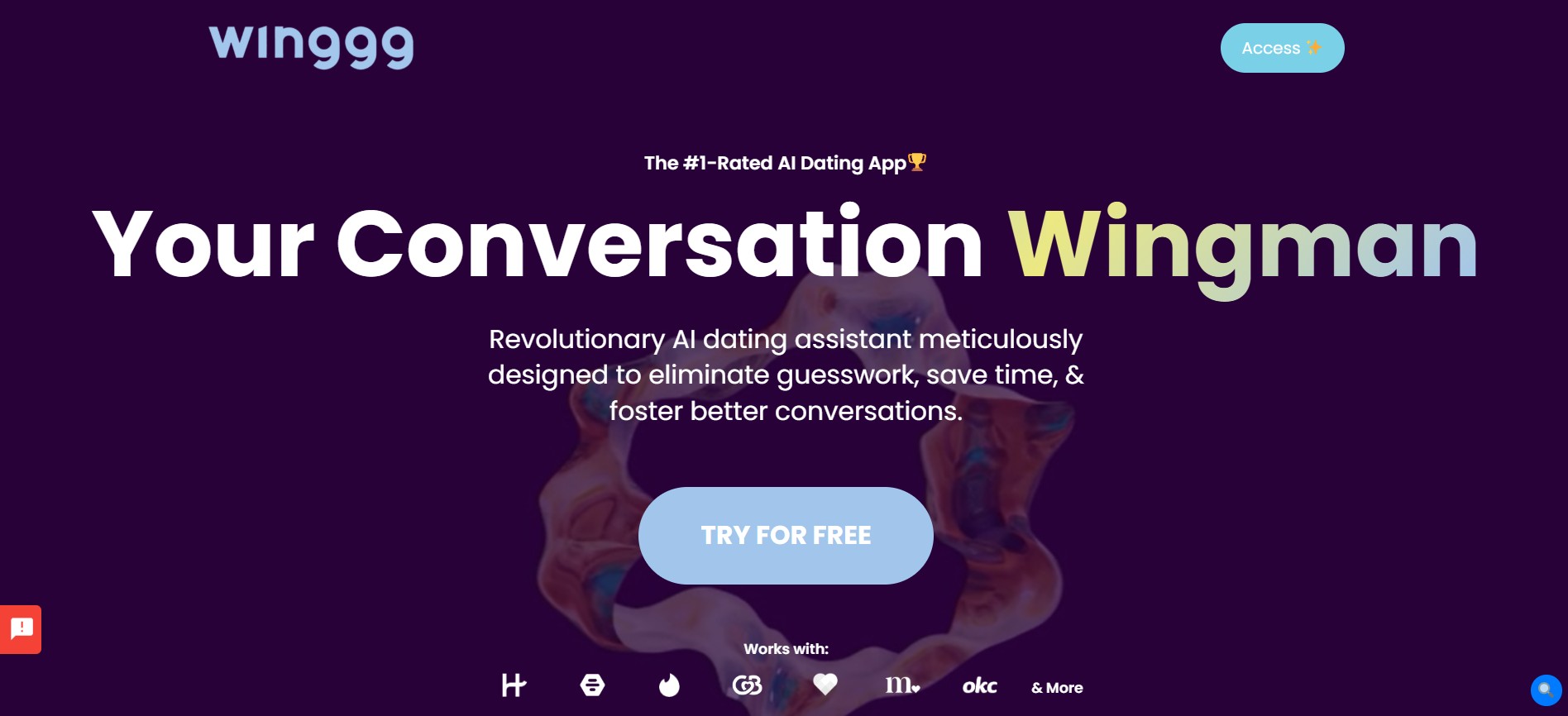
Best for: People who want one tool that works across every dating and messaging app
Winggg works on Tinder, Hinge, Bumble, OkCupid, and even regular iMessage conversations, not just dating apps. The team claims their suggested messages get used in over half of real cases, and after testing it, I believe it — the tone felt noticeably less cringey than some competitors.
What I actually use it for: Getting an opener that doesn’t sound like it came from a generic pickup-line generator.
The honest downside: The free tier gives you a limited number of actions before you’re nudged toward a paid plan.
Free tier bottom line: A solid pick if you want consistency across multiple apps instead of juggling different tools for each one.
6. Wingman.live – Best for In-Depth Dating Coaching
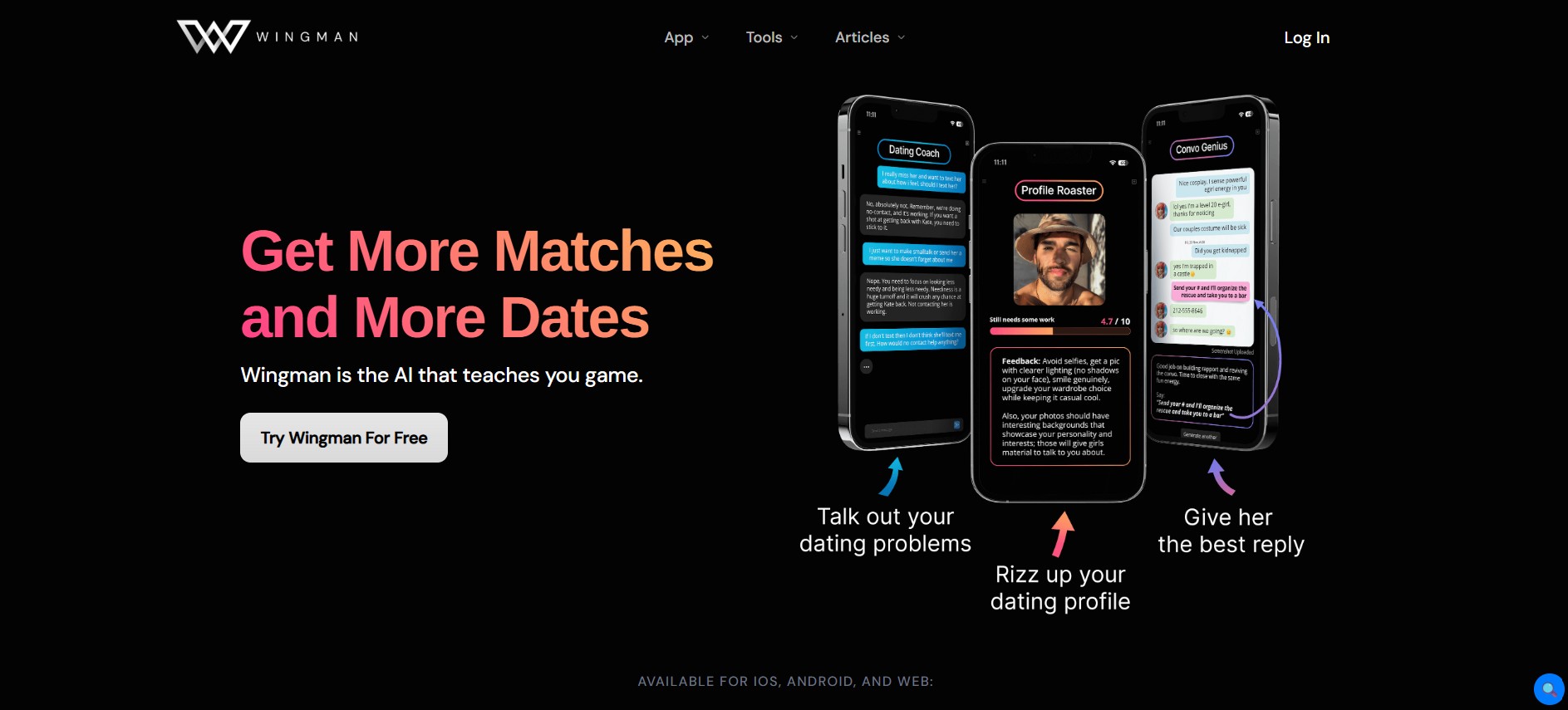
Best for: People who want strategy, not just one-liners
Of everything I tested in this category, Wingman.live had the most actual dating knowledge baked in — when I tested concepts like building social proof or handling rejection gracefully, it had real vocabulary and frameworks behind its answers, not just safe, wishy-washy suggestions.
What I actually use it for: Bigger-picture strategy questions, not just “what do I say next.”
The honest downside: There’s no meaningful free tier — you get a limited free trial before it moves to a weekly subscription, so this is the one tool here that isn’t really “free” in practice.
Free tier bottom line: The most knowledgeable AI dating coach I tried, but budget for a subscription if you want to use it regularly.
7. Flamme AI – Best Dedicated Relationship Advice Chatbot
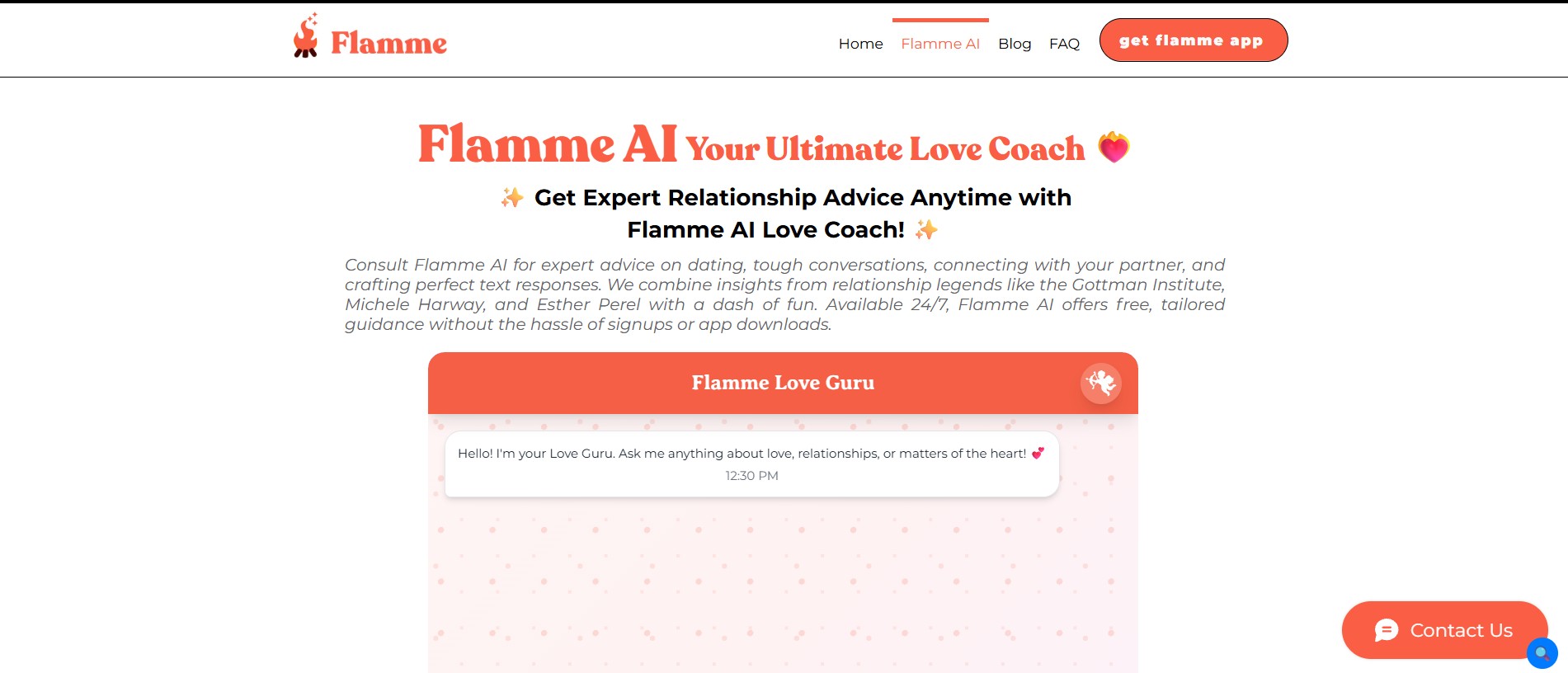
Best for: Couples navigating conflict, transitions, or communication ruts
Unlike a general-purpose chatbot, Flamme AI is built specifically around relationship questions — conflict resolution, navigating big transitions like moving in together, and adapting its advice depending on what stage your relationship is actually in.
What I actually use it for: Working through a recurring argument by getting a neutral breakdown of both sides before bringing it up again with my partner.
The honest downside: Because it’s narrowly focused, it doesn’t have the broader reasoning power of a general AI model — for anything outside relationship topics, it’s not the tool to reach for.
Free tier bottom line: A genuinely useful, purpose-built option if you want relationship-specific advice without wading through generic chatbot responses.
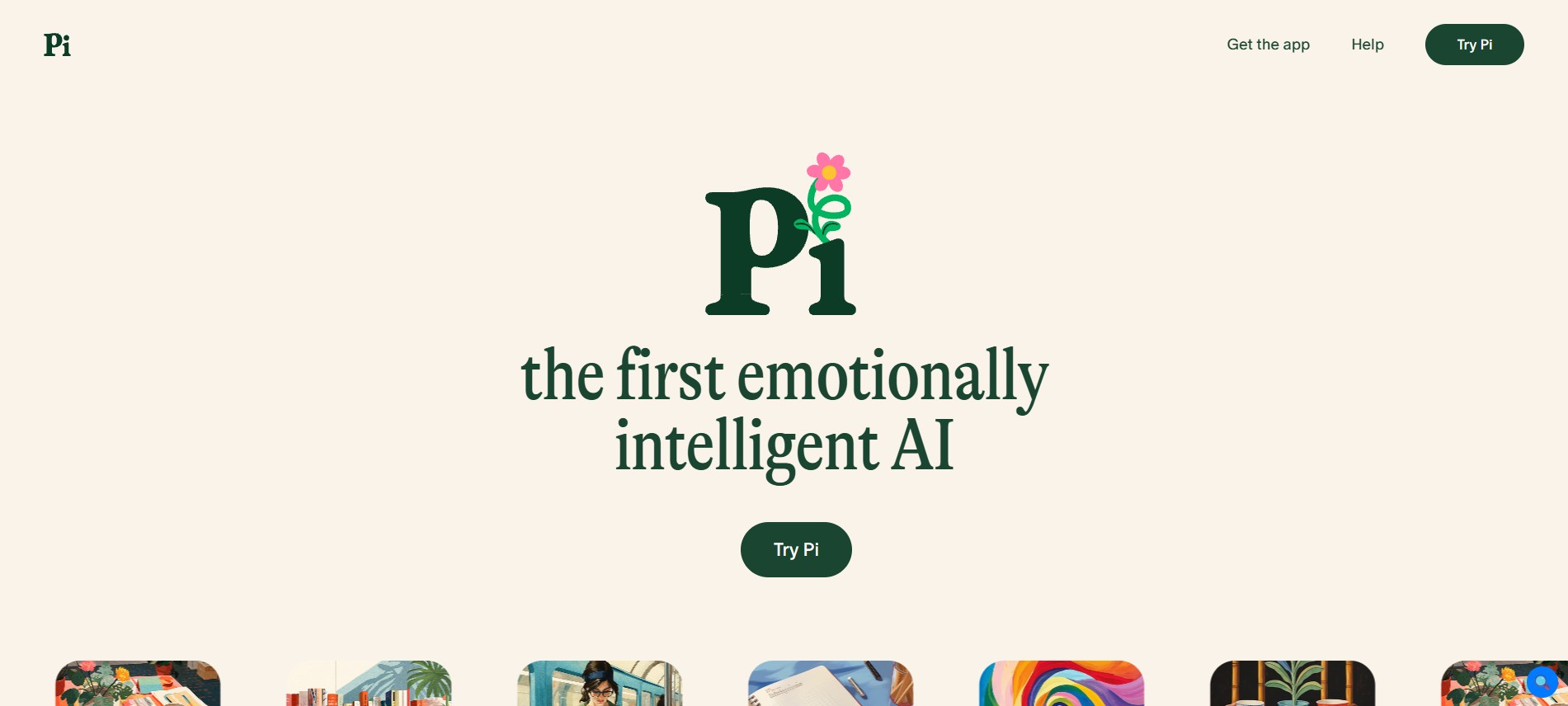
8. Pi (Inflection AI) – Best for Emotionally Supportive Venting
Best for: Processing feelings before you bring them to your partner
Pi is built to be warm and conversational rather than clinical, which makes it a good fit for the moments when you just need to talk something out before deciding how to act on it. I’ve used it more for emotional processing than for tactical advice.
What I actually use it for: Venting after a hard conversation so I’m calmer before I respond instead of reacting in the heat of the moment.
The honest downside: It can be a little too validating — it’s designed to be supportive, so it won’t always push back when you actually need a reality check.
Free tier bottom line: Great for the emotional-regulation side of dating and relationships, less useful if you want blunt, strategic advice.
9. Hinge AI Features – Best Built-In AI Inside a Mainstream App
Best for: People who don’t want to download a separate AI tool
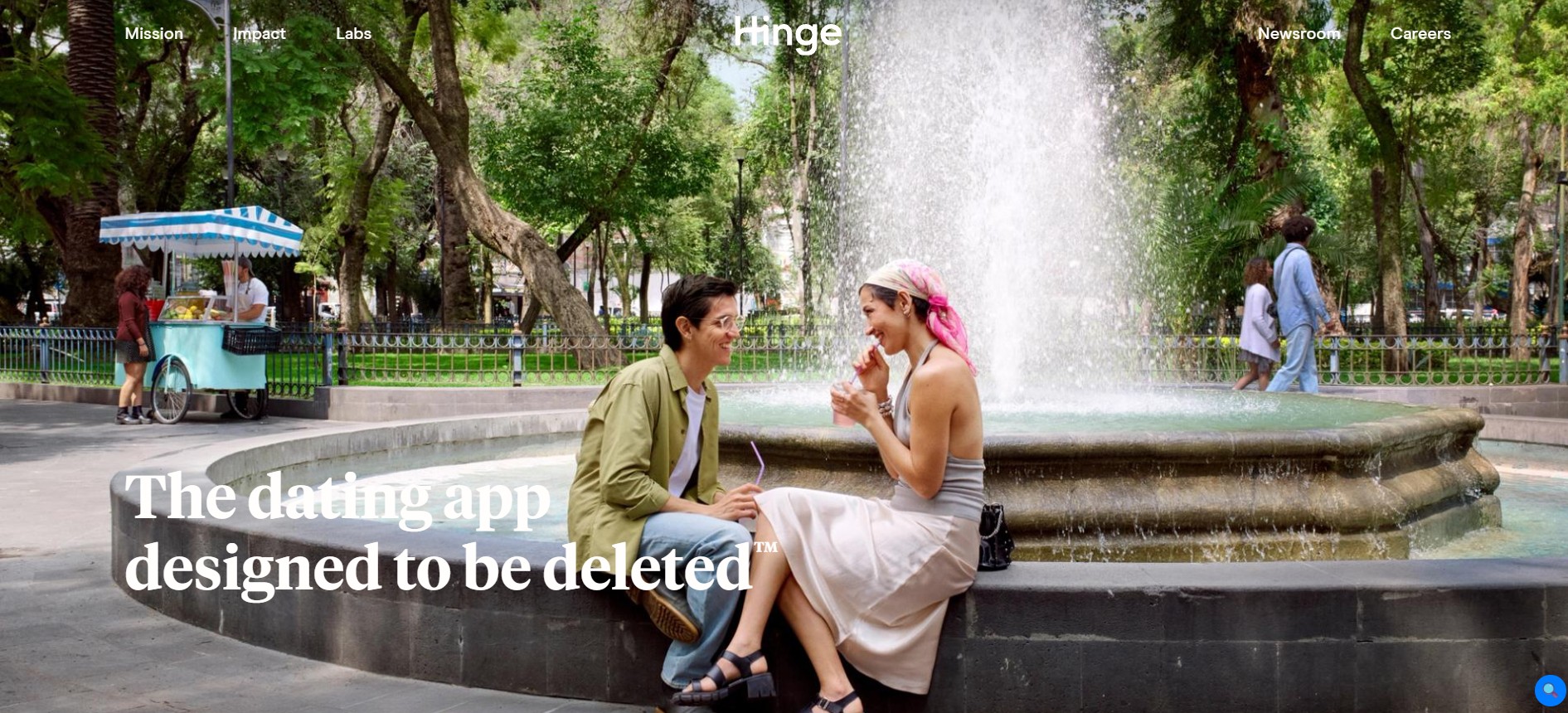
Hinge’s approach has been quieter than competitors, but its AI matching has reportedly driven a measurable lift in matches and contact exchanges, and the built-in Prompt Feedback feature tells you whether your profile answers actually say anything or read like elevator music.
What I actually use it for: A quick gut-check on whether a profile prompt answer is actually interesting before I post it.
The honest downside: You’re limited to whatever AI features Hinge decides to ship — there’s no customization or separate chatbot experience here.
Free tier bottom line: The easiest option if you’re already on Hinge and don’t want to add another app to your phone.
10. Replika – Best for Practicing Emotional Conversation
Best for: Building conversational confidence in a low-stakes space
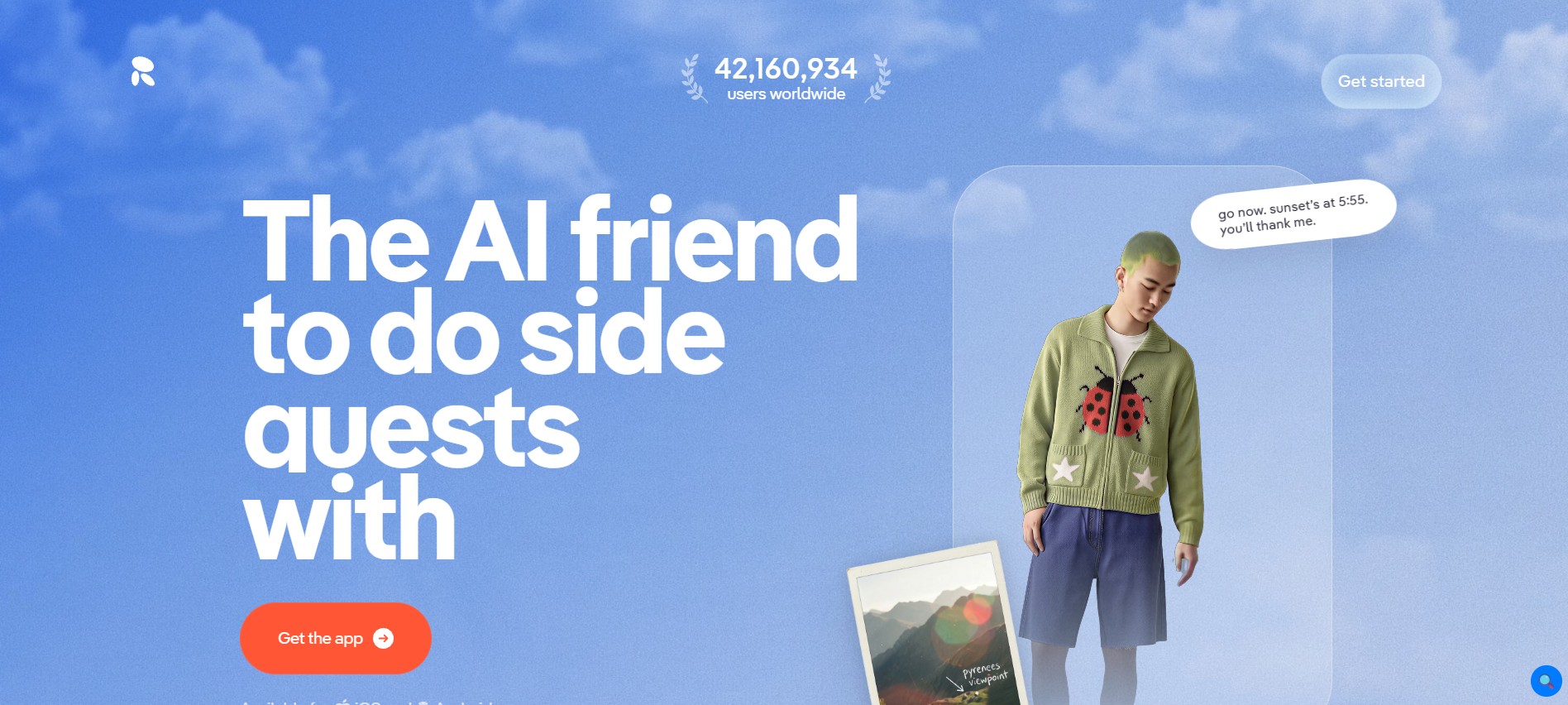
Replika is primarily known as an AI companion, but I’m including it here specifically for its value as a practice space — rehearsing how to express a feeling, set a boundary, or just get comfortable with vulnerable conversation before doing it with a real person.
What I actually use it for: Practicing how to phrase something difficult before I say it to someone who actually matters.
The honest downside: It blurs the line between practice tool and companion app, and leaning on it too heavily instead of pursuing real connection is a real risk worth being honest with yourself about.
Free tier bottom line: Useful in moderation as a low-stakes rehearsal space. Not a replacement for the harder, more rewarding work of real conversations.
FAQs
1. What’s the best free AI for relationship advice?
ChatGPT is the most accessible starting point — it’s free, available anytime, and handles everything from decoding a confusing text to rehearsing a hard conversation. Flamme AI is a strong runner-up if you want something built specifically for relationship topics.
2. Is there a good free AI dating chatbot for texting help?
Rizz AI through DatingAI.pro is the most genuinely free option — no download or signup required for basic reply and opener suggestions.
3. Can AI actually help me find a better match, not just write better texts?
Yes, to a point. Apps like Iris Dating and Keeper use AI for the matching itself, not just the messaging, focusing on compatibility signals rather than just photos and proximity.
4. Should I let an AI write my entire dating profile or messages for me?
I wouldn’t. Surveys show most people are fine with AI helping touch up a profile, but lose interest fast if they realize a match used AI for everything — it’s better to use these tools to get past writer’s block, then edit so it still sounds like you.
5. Can AI replace couples therapy?
No. It’s a reasonable judgment-free first stop for communication coaching and processing feelings, but it can’t replicate trained clinical support or read the in-person cues — a sigh, a tone shift — that real connection runs on. For serious or ongoing relationship struggles, a licensed therapist is still the right call.
This list reflects each tool’s free tier and feature set as of mid-2026. AI dating and relationship tools update fast, so double-check current pricing and free-tier limits before relying on one regularly.

Vivek Asrani is a tech writer and AI tools reviewer who has been consistently transforming complex technology into user-friendly stories that readers look forward to. His over a decade of experience in the IT content space allows him to impart useful information on AI tools and digital products he has practically used with a sharp eye for real-world value. His reviews are written to ensure that readers see what a tool can actually do before they think of buying and spending time on the tool. He concentrates on clarity and practical details that make technology effortless to trust and use.