Building a Safer Digital Future: Understanding the Role of Top Data Security Tools
We live in a time when data is often described as the new currency. From personal photos stored in the cloud to sensitive financial records and corporate strategies, information fuels nearly every aspect of modern life. But with this reliance on digital systems comes an undeniable responsibility: protecting that data from unauthorized access, misuse, and cyber threats. This is where the importance of top data security tools becomes clear.
Data breaches are no longer rare headlines—they are recurring realities. Businesses of all sizes, government agencies, healthcare institutions, and even individuals have faced the consequences of compromised information. In this environment, understanding the uses and importance of top data security tools is essential for maintaining privacy, trust, and operational stability.
Table of Contents
The Growing Need for Data Protection
Digital transformation has accelerated dramatically over the past decade. Organizations now store vast amounts of information online, rely on remote work systems, and share documents across global networks. While this connectivity enhances productivity, it also increases vulnerability.
Cybercriminals constantly evolve their tactics, targeting weaknesses in software, networks, and human behavior. Phishing attacks, ransomware, identity theft, and insider threats are just a few of the risks organizations face.
Top data security tools are designed to address these threats proactively. They help detect vulnerabilities, monitor unusual activity, encrypt sensitive information, and prevent unauthorized access. Without them, organizations would struggle to defend against increasingly sophisticated attacks.
Protecting Sensitive Information
At the heart of data security is the protection of sensitive information. This may include personally identifiable information, financial records, intellectual property, and confidential communications.
Top data security tools provide multiple layers of defense. Encryption tools convert data into unreadable code, ensuring that even if information is intercepted, it cannot be easily understood. Access control systems limit who can view or edit certain files, reducing the risk of internal misuse.
Monitoring tools continuously scan systems for suspicious behavior. If an anomaly is detected, alerts can be triggered immediately, allowing swift action to prevent further damage.
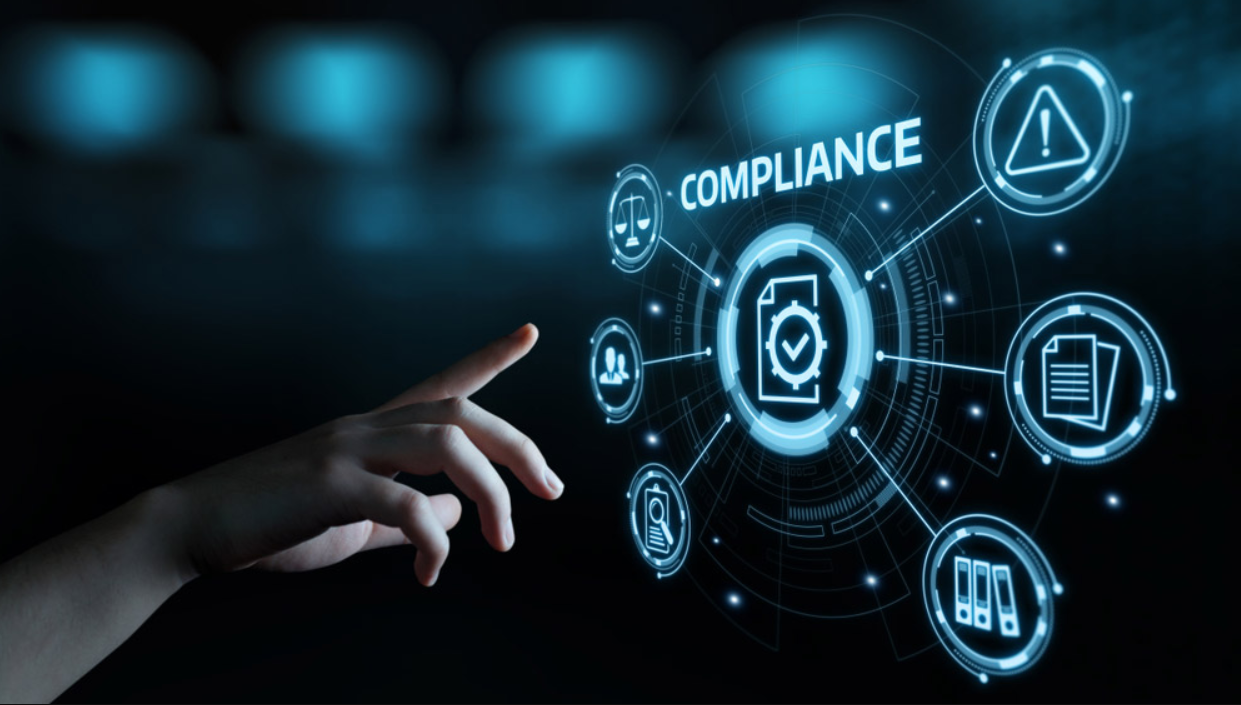
Supporting Regulatory Compliance
Source Image:- blog.ipleaders.in
Many industries operate under strict data protection regulations. Healthcare providers must safeguard patient information. Financial institutions must protect transaction records. Educational institutions must secure student data.
Failure to comply with these regulations can result in heavy penalties and reputational harm. Top data security tools assist organizations in meeting compliance requirements by providing secure storage, audit trails, and automated reporting.
By maintaining detailed logs and implementing secure systems, organizations can demonstrate accountability and adherence to legal standards.
Enhancing Business Continuity
Data loss can disrupt operations significantly. Whether caused by cyberattacks, hardware failure, or human error, the consequences can be costly.
Top data security tools often include backup and recovery solutions. These tools create secure copies of important data, allowing organizations to restore information quickly if it is lost or compromised.
Business continuity depends on the ability to maintain access to critical systems. Reliable security tools ensure that even in the face of an incident, recovery can occur with minimal disruption.
Building Customer Trust
Trust is a cornerstone of any successful organization. Customers expect their information to be handled with care and discretion. When a data breach occurs, trust can erode quickly.
By investing in top data security tools, organizations signal their commitment to protecting customer data. Transparent security practices reassure clients that their information is valued and safeguarded.
In competitive markets, strong security measures can serve as a differentiator. Customers are more likely to engage with businesses that prioritize privacy and data protection.
Addressing Human Error
While sophisticated cyberattacks often make headlines, human error remains one of the leading causes of data breaches. Weak passwords, accidental file sharing, and falling victim to phishing emails can expose sensitive information.
Top data security tools help mitigate these risks by implementing safeguards such as multi-factor authentication, automatic encryption, and email filtering systems. These features reduce the likelihood that a simple mistake will lead to serious consequences.
Training employees to use these tools effectively further strengthens organizational security.
Adapting to Emerging Technologies

Source Image:- media.licdn.com
As technology evolves, so do security challenges. Cloud computing, artificial intelligence, and the Internet of Things (IoT) introduce new vulnerabilities. Data now flows between devices, applications, and remote servers more frequently than ever before.
Top data security tools must adapt to this changing landscape. Modern solutions are designed to secure cloud environments, protect remote access, and monitor complex networks in real time.
Staying current with evolving threats ensures that security strategies remain effective and relevant.
Encouraging a Culture of Responsibility
Implementing top data security tools is only part of the equation. Equally important is fostering a culture of responsibility within organizations. Employees must understand the value of the data they handle and the potential consequences of negligence.
Clear policies, regular training sessions, and accessible security resources help reinforce best practices. When security becomes a shared responsibility rather than a technical afterthought, organizations are better equipped to protect their information.
The Role of Continuous Improvement
Cybersecurity is not a one-time effort. Threats evolve constantly, requiring ongoing assessment and adaptation. Regular security audits, system updates, and vulnerability testing ensure that defenses remain strong.
Top data security tools often include automated updates and threat intelligence features, allowing systems to respond to new risks proactively.
Organizations that prioritize continuous improvement demonstrate resilience and forward-thinking leadership.
Conclusion
In a digital age defined by connectivity and data exchange, protecting information is no longer optional—it is essential. Top data security tools provide the foundation for safeguarding sensitive data, maintaining regulatory compliance, and ensuring business continuity.
By implementing comprehensive security measures and fostering a culture of awareness, organizations and individuals alike can reduce risk and build lasting trust. As technology continues to advance, staying informed and proactive will remain key to securing our digital future.