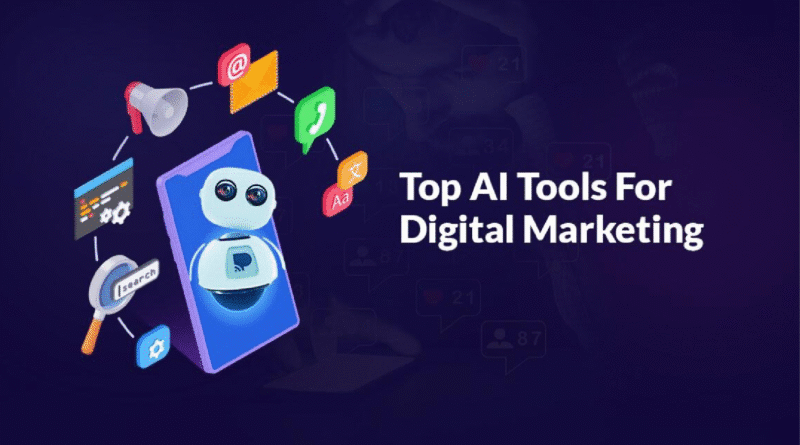
Top 15 AI Tools for Digital Marketing
Digital marketing no longer runs on instinct alone. It now runs on speed, data, and smart decisions made in real time. Teams face pressure to create better content, manage ads, track users, and reply faster than ever. AI tools for digital marketing help ease this load without killing creativity or human touch.
In no way do these tools take the position of marketers. They are in their favor. They help teams focus on ideas that are important, save time, and reduce the number of errors that occur. Artificial intelligence, when applied effectively, does not feel like software but rather like a quiet partner. Here is a list of fifteen artificial intelligence tools that are influencing the way that current digital marketing is carried out today.
Table of Contents
1. ChatGPT:

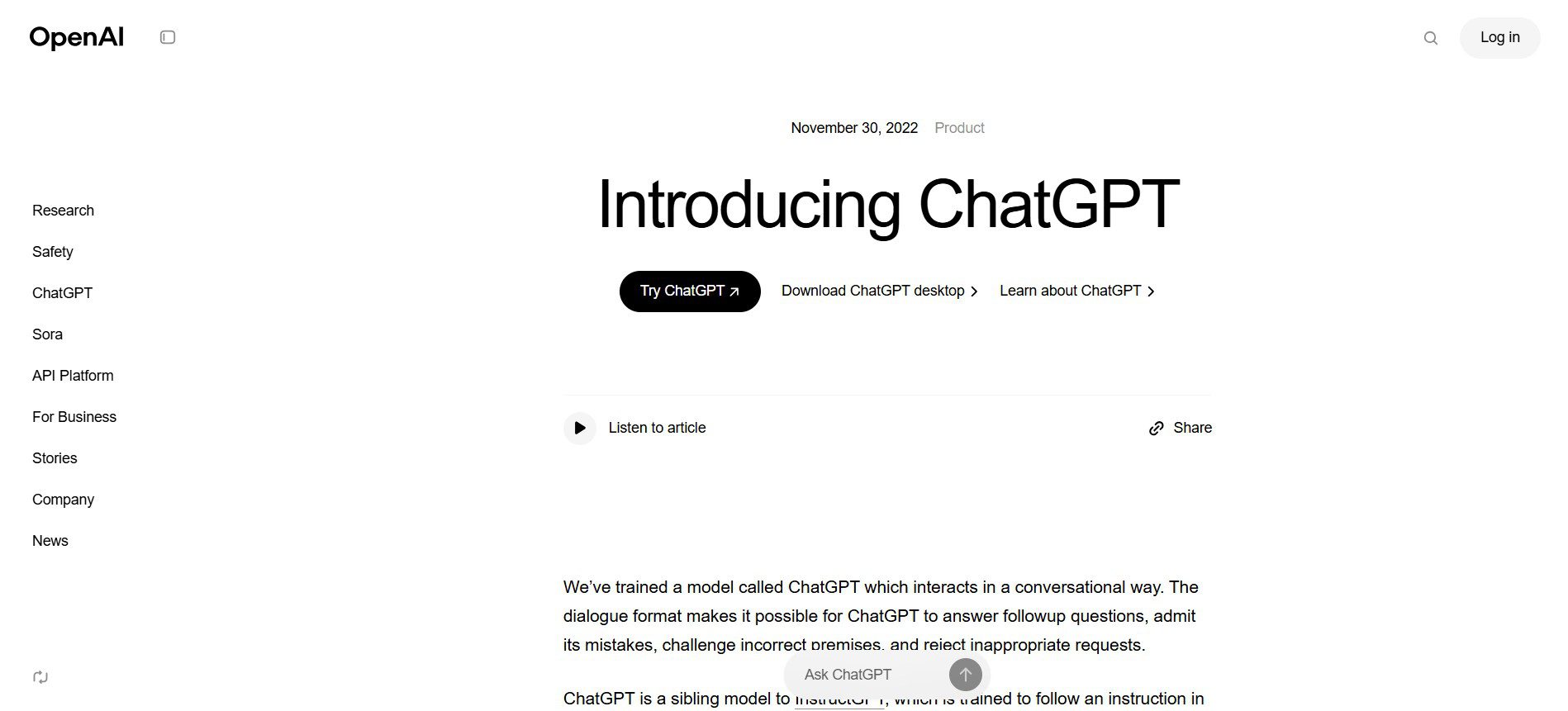
ChatGPT helps marketers think faster and write smarter. It supports blogs, ad copies, emails, and social posts with ease. You can ask it for ideas, outlines, or rewrites in seconds. It works best when guided clearly and reviewed by humans. Many teams use it to break writer’s block and speed drafts.
2. Jasper:
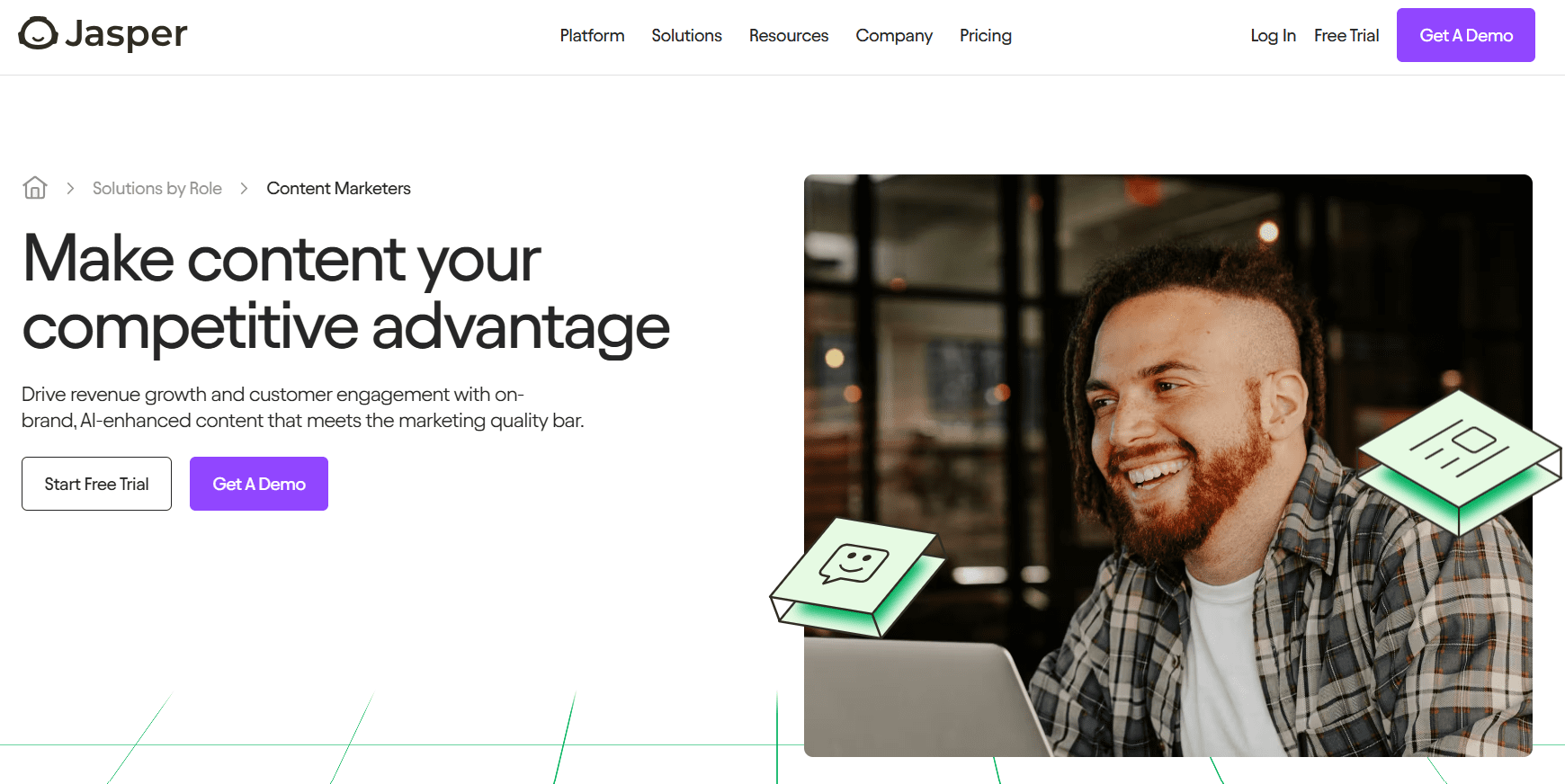
Jasper focuses on marketing copy with strong brand voice control. It helps create ads, landing pages, and product text quickly. Teams like it for tone presets and campaign support. It suits marketers who want speed without losing brand feel. Clear prompts deliver better output every time.
3. Copy.ai:
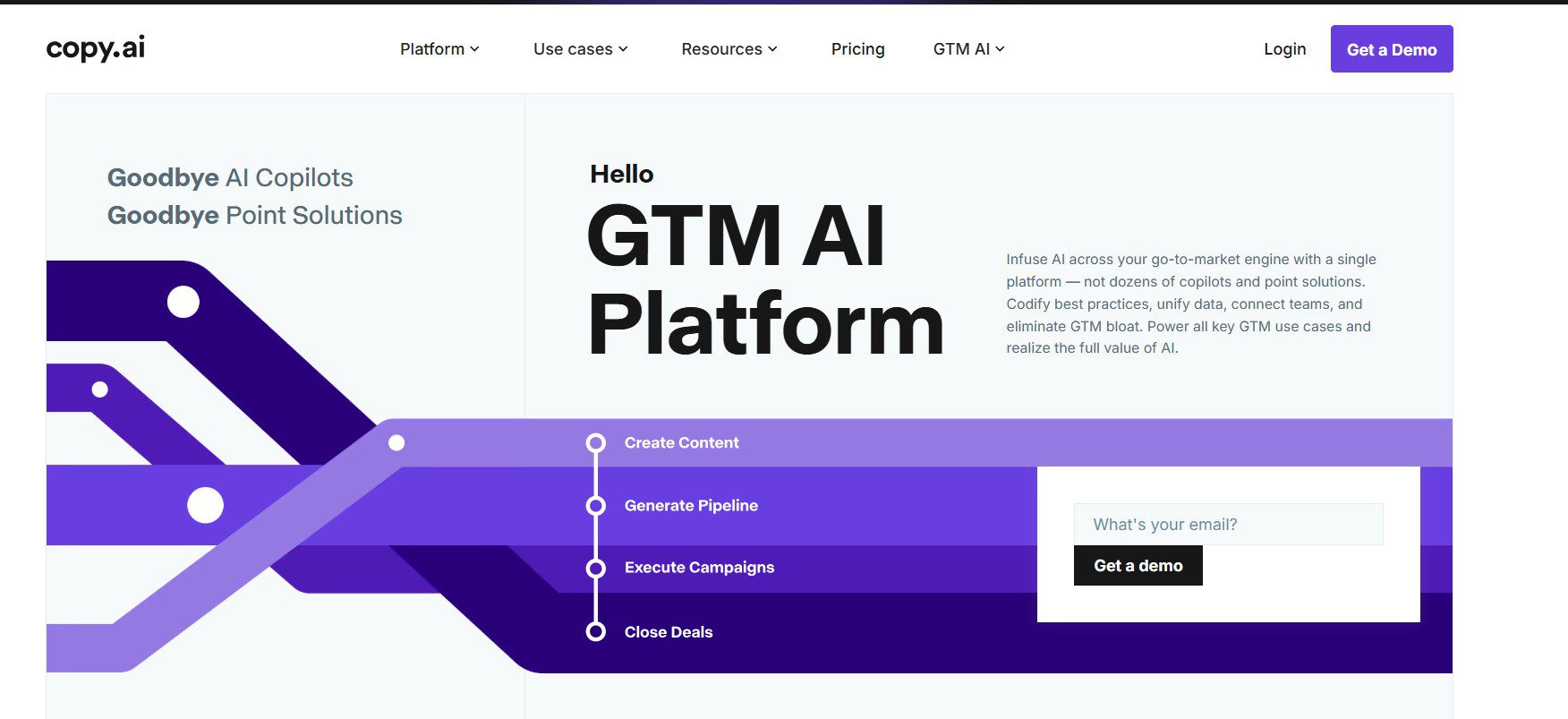
Copy.ai works well for short-form content and quick ideas. It supports social captions, product blurbs, and email hooks. The tool feels simple and friendly, even for beginners. It saves time during brainstorming sessions. Many startups rely on it for daily content needs.
4. Grammarly:
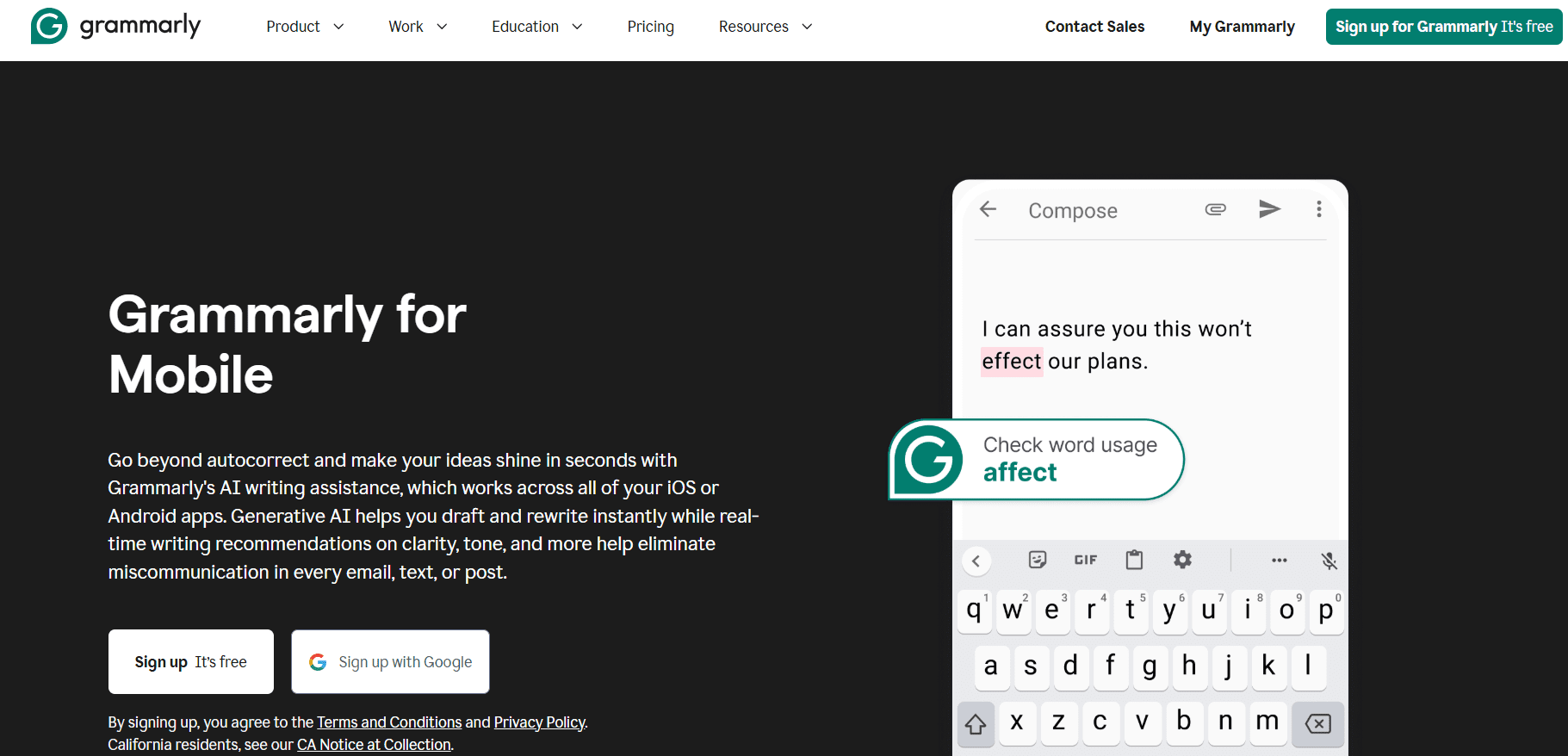
Grammarly improves clarity, tone, and grammar across all content. It catches small errors humans often miss. The tone check helps adjust writing for different audiences. Marketers use it to keep content clean and professional. It works quietly in the background but adds strong value.
5. Surfer SEO:
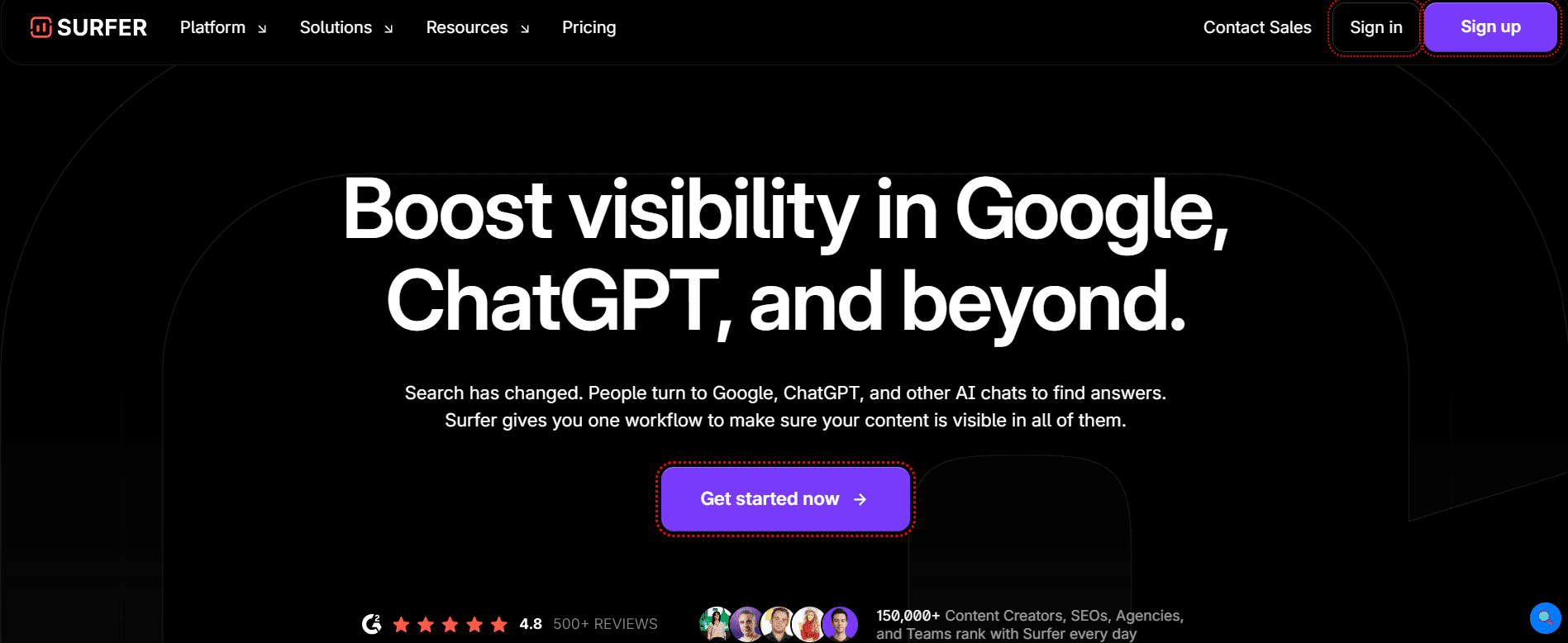
Surfer SEO helps align content with search intent. It analyzes top-ranking pages and suggests structure and keywords. Writers use it to shape blogs before publishing. It removes guesswork from on-page SEO. When paired with human insight, results improve steadily.
6. Clearscope:
Clearscope supports content optimization through clear topic coverage. It shows which terms matter most for ranking. Teams use it to refine drafts before going live. It works well for long blogs and guides. The tool encourages depth without stuffing keywords.
7. Semrush:
Semrush combines SEO, ads, and competitor research in one place. It helps track rankings, find gaps, and plan campaigns. Marketers trust it for data-backed decisions. It suits teams managing multiple channels. Regular use brings clarity to crowded markets.
8. HubSpot AI:
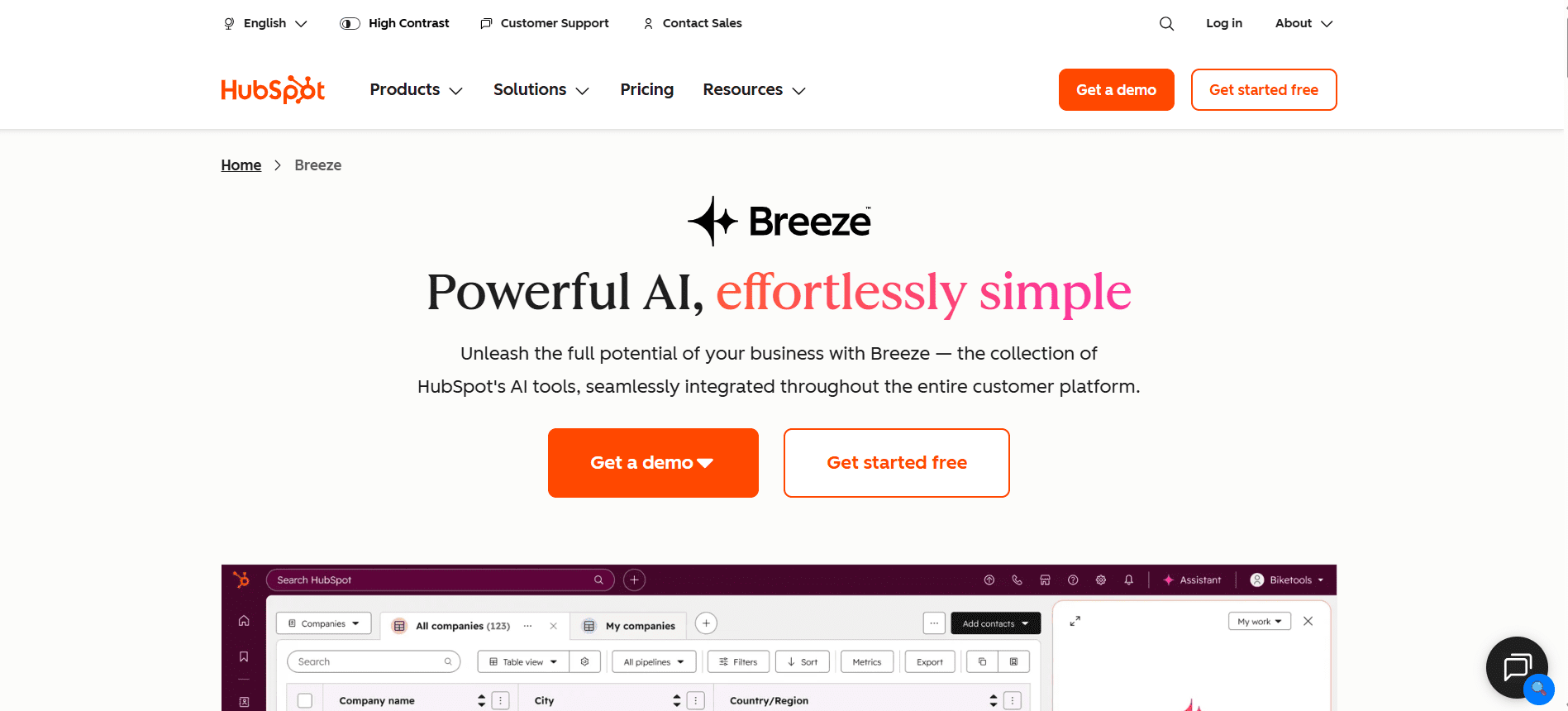
HubSpot AI supports CRM, email, and content tasks. It helps personalize emails and track leads better. The tool fits teams already using HubSpot systems. It reduces manual work and improves follow-ups. Many marketers rely on it for smooth workflows.
9. Hootsuite Insights:
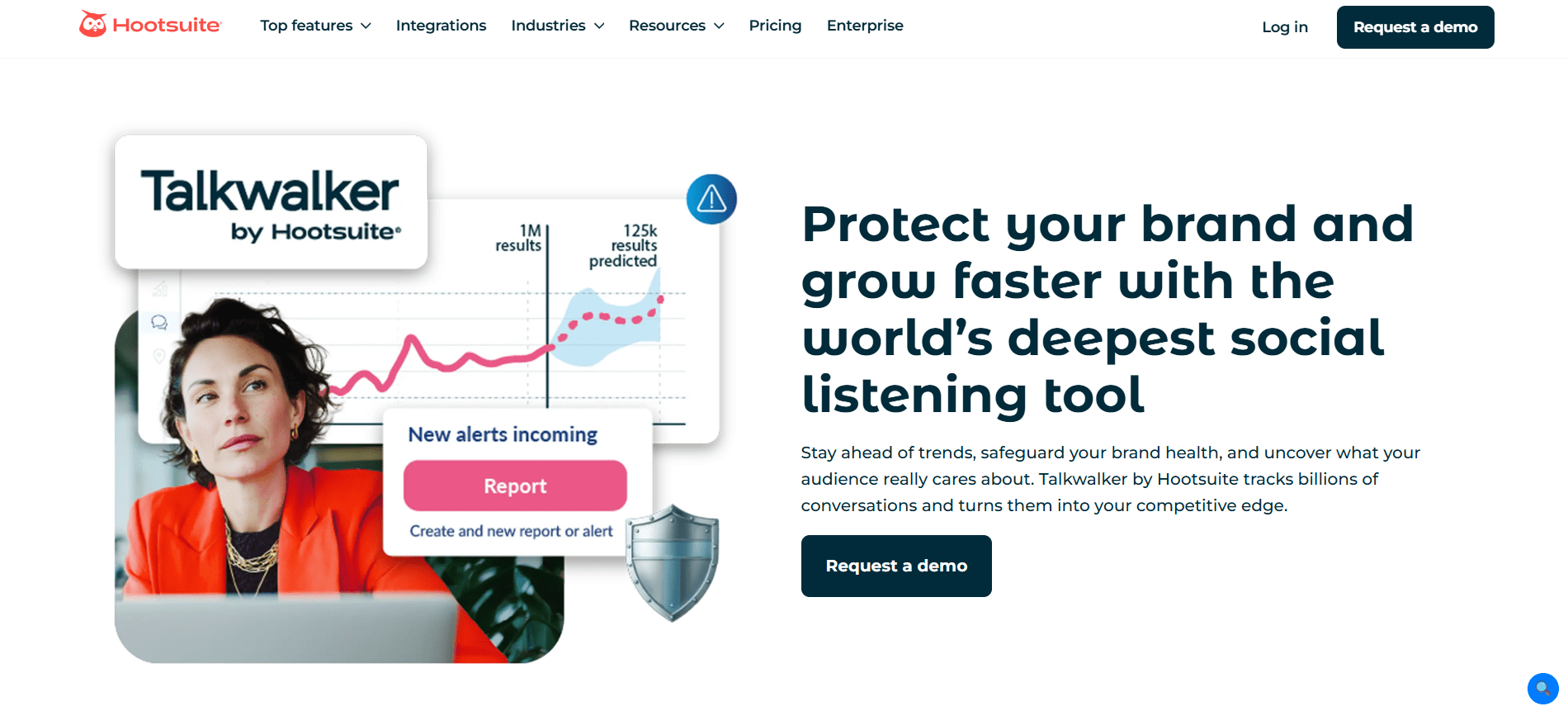
Hootsuite Insights tracks social trends and audience mood. It uses AI to analyze conversations across platforms. Brands use it to adjust tone and timing. The tool helps avoid guesswork in social planning. Listening first often leads to better engagement.
10. Canva AI:
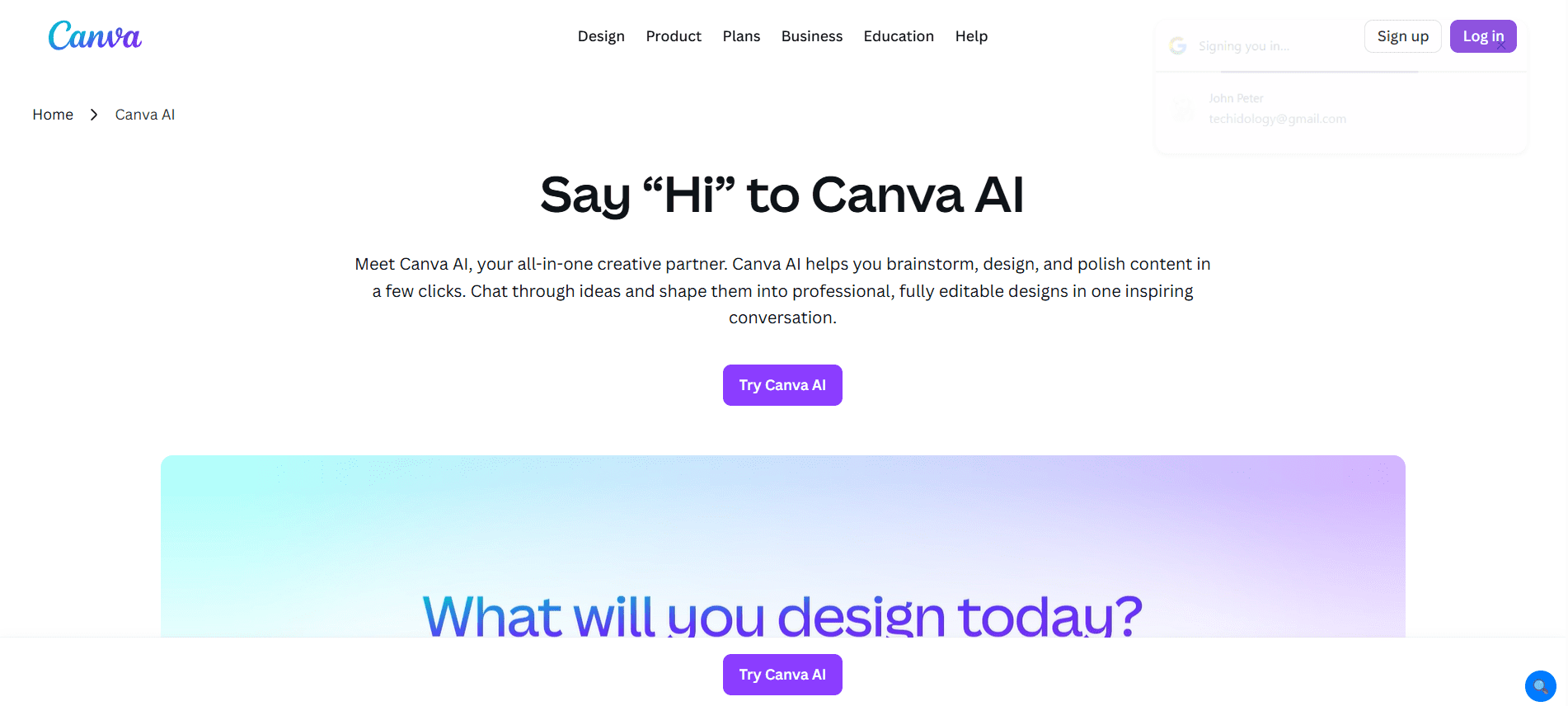
Canva AI supports design without heavy skills. It helps create posts, ads, and visuals fast. The AI suggests layouts, colors, and sizes. Marketers use it for quick turnarounds. It keeps design simple and accessible for small teams.
11. Lumen5:
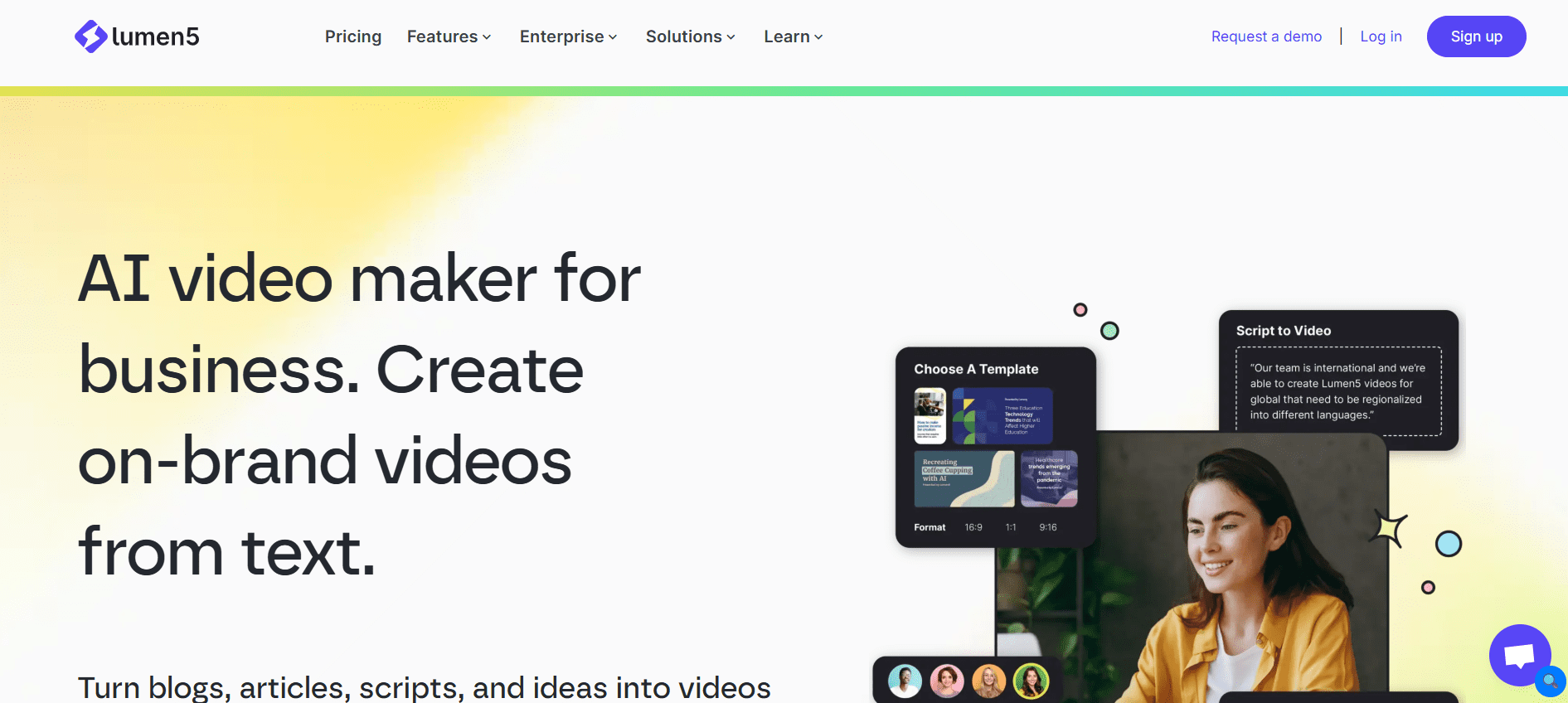
Lumen5 turns text into short videos easily. It suits blogs, social posts, and brand stories. The AI picks visuals and pacing based on content. Teams use it to boost video presence. It helps brands show up without heavy editing time.
12. AdCreative.ai:
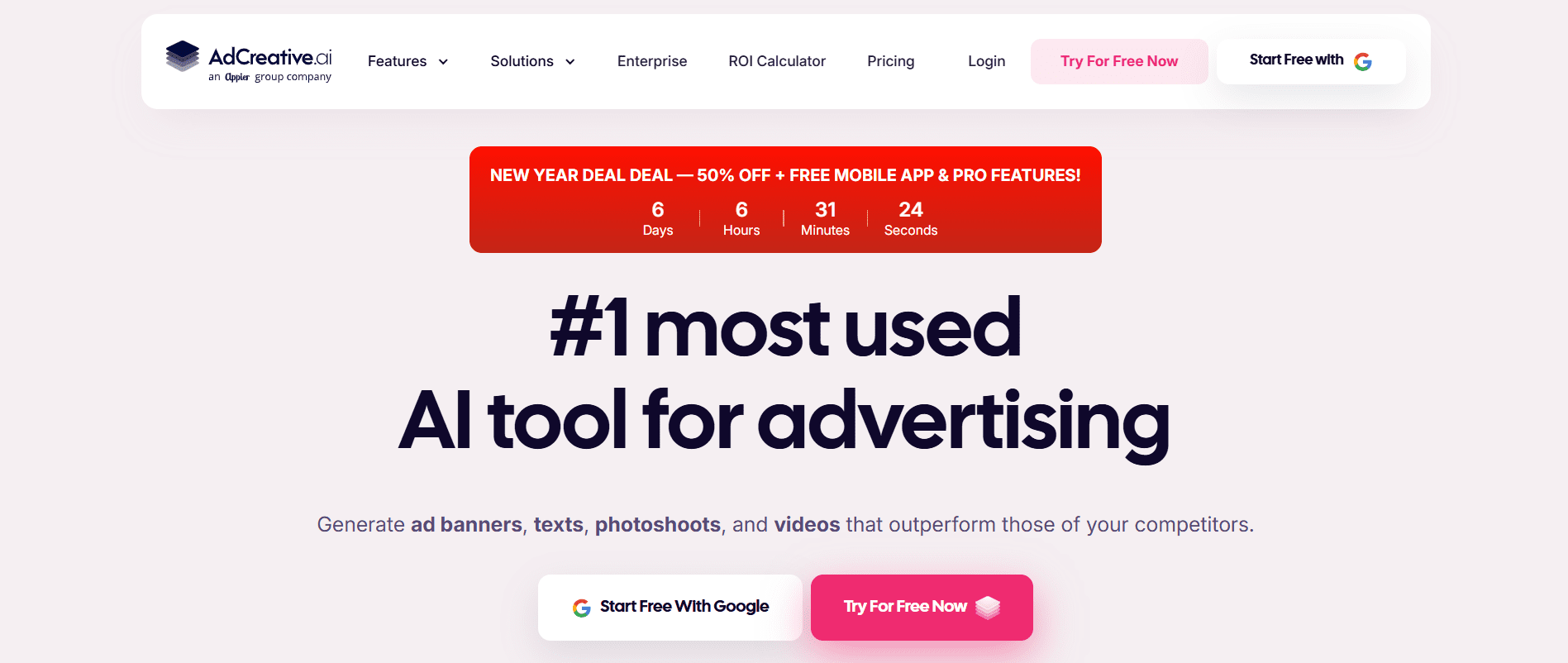
AdCreative.ai focuses on ad visuals and copy testing. It creates multiple versions based on goals. Marketers use it to test faster and learn quicker. The tool supports paid campaigns across platforms. Strong ads come from smart testing, not guesses.
13. Pictory:
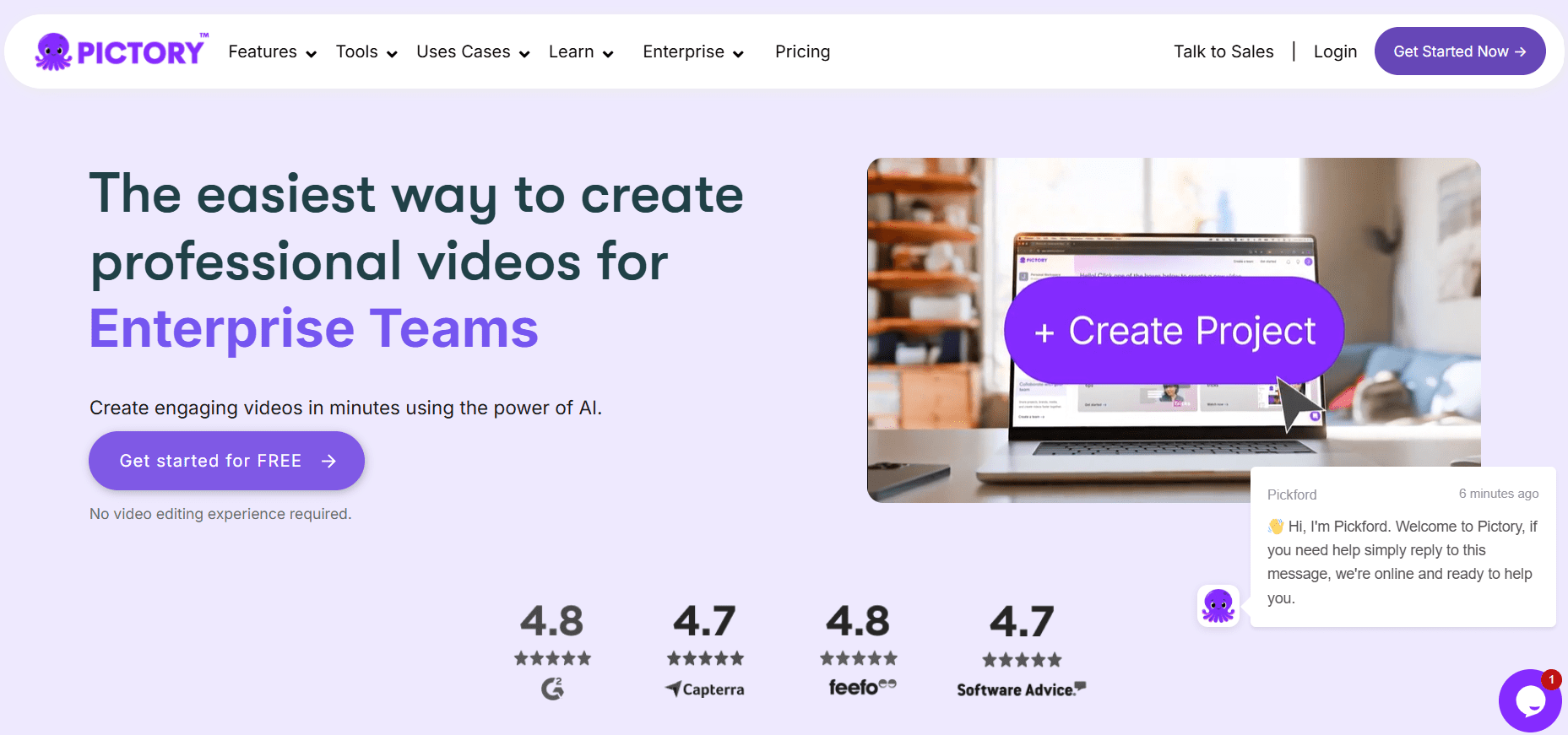
Pictory helps convert long content into short videos. It works well for blogs, webinars, and updates. The AI highlights key points and adds visuals. Marketers use it to reuse content smartly. One idea can now live in many formats.
14. Drift AI:
Drift AI improves chat and lead capture on websites. It responds to users based on intent and timing. Sales teams like it for faster replies. It helps qualify leads without pressure. Conversations feel natural when done right.
15. Hotjar AI:
Hotjar AI studies user behavior through heatmaps and recordings. It shows where users click or leave. Marketers use it to fix page issues. The tool adds clarity to user experience decisions. Small changes often bring big results.
How AI Fits into Real Marketing Work?
AI tools perform at their optimum level when they are paired with human sense, as humans put emotions and feelings to the words. AI Tools do help us in speeding up our tasks but still they need guidance, in which direction to go and how to give the efficient result as per our requirements. Marketers guide tone, values, and goals, while AI handles the patterns as well as repetition, the balance of which keeps the content real and useful.
Many teams now mix tools across content, ads, and analytics. This setup saves hours each week. It also reduces burnout and rushed work. The goal stays simple: better results with less friction.
Choosing the Right Tools
Every team is not a good fit for every tool. The speed of the information is necessary for some. Data depth is required by others. There is also the issue of budget and talent level. You should begin with one or two tools. Do a thorough learning of them before adding additional.
AI should have a helping feel rather than a heavy one. Get rid of a tool if it causes you tension. The best Innovexa AI workflow tools are those that are natural to use. Rather than supplanting ideas, they provide support for them.
AI and the Human Touch
Even today, effective marketing requires empathy. AI is unable to experience users’ joy or pain. It is the human race that brings. Simply put, tools are merely a means to an end. Strong brands are aware of when to rely on technology and when to rely on their instincts.
Stories, rather than systems, are what many readers connect with. When it comes to shaping such stories, AI helps. Meaning is added to them by humans. Digital marketing in the present era is defined by this blend.
The Future of AI in Marketing
The capabilities of AI tools will continue to advance. They will become more precise and tailored to the individual. Despite this, the primary objective has not altered. Help people find solutions to challenges and make decisions more easily.
Marketers who are smart adapt early yet maintain their grounding. They experiment, learn, and make adjustments. It is easier to change tools than it is to alter values.
Final Thoughts
AI tools have changed how marketing teams work daily. They bring speed, clarity, and support when used with care. From content to ads, their role keeps growing. The key lies in using them wisely, not blindly.
Many teams, including those working with a growing Digital Marketing Services in the UAE, now see AI as a partner rather than a threat. When tools and humans work together, marketing feels lighter and more honest.